Periodontal Treatment Ventura: Restoring Confidence in Your Smile

A healthy smile depends on more than straight teeth and a bright shade of enamel. The gums, bone, and connective tissue that support each tooth do the quiet work that most people never think about until something starts to go wrong. Bleeding when you brush, tenderness along the gumline, bad breath that keeps returning, or teeth that suddenly feel a little less secure can all point to periodontal disease. When that happens, prompt care matters, not only for comfort and appearance, but for the long-term stability of your teeth.
For patients searching for Periodontal Treatment Ventura, the goal is usually twofold. They want to stop the disease process, and they want to feel normal again when they smile, speak, or sit down for a meal. Those are reasonable expectations. With the right diagnosis and a treatment plan that matches the severity of the problem, many people can regain gum health, reduce inflammation, and protect their natural teeth for years to come.
What often surprises patients is how gradual gum disease can be. It rarely announces itself with one dramatic symptom. More often, it builds quietly. A little bleeding in the sink. A little swelling that comes and goes. A spot that traps food more than it used to. Then one day the signs are harder to ignore. By that point, the issue may already extend below the gumline, where bacteria and hardened deposits begin to damage the structures that hold the teeth in place.
Why periodontal health changes the way your smile looks and feels
Periodontal disease affects confidence in ways that go beyond medicine. People with inflamed gums often become self-conscious about smiling because the tissue looks red, puffy, or uneven. Others worry about persistent bad breath, which can be one of the most socially frustrating symptoms. In more advanced cases, gum recession makes teeth look longer, darker spaces can appear between teeth, and shifting can change the bite and the appearance of the smile.
There is also the day-to-day discomfort. Sensitive roots can react sharply to cold water. Brushing becomes unpleasant, so patients sometimes brush less thoroughly, which worsens the cycle. Some people avoid certain foods because chewing feels awkward or painful. These are not cosmetic concerns in the shallow sense. They affect how a person eats, talks, laughs, and shows up in public.
That is why effective periodontal treatment is so valuable. Done well, it does more than clean the mouth. It reduces the bacterial burden, calms inflammation, creates conditions for healing, and gives patients a sense of control again. Once tenderness eases and the gums look healthier, confidence usually follows.
What periodontal disease actually is
At its core, periodontal disease is an infection and inflammatory response involving the tissues that surround and support the teeth. It often begins as gingivitis, which is limited to the gums. At this stage, gums may bleed easily and appear swollen, but the supporting bone has not yet been permanently damaged. Gingivitis can often be reversed with professional care and improved home hygiene.
Periodontitis is more serious. In periodontitis, bacteria move below the gumline and trigger inflammation that leads to the breakdown of the ligament and bone supporting the teeth. Small spaces called periodontal pockets deepen, making it easier for bacteria to remain undisturbed. Once bone loss occurs, the objective shifts from simple reversal to disease control and maintenance.
Not every patient presents the same way. Some have generalized inflammation throughout the mouth. Others have a few localized problem areas, often around old dental work, crowded teeth, or sites that are difficult to clean. Smokers may show less visible bleeding despite significant disease, which can delay recognition. Patients with diabetes, dry mouth, certain medications, or a family history of gum disease may face additional challenges.
The warning signs worth taking seriously
Patients often ask whether occasional bleeding is normal. In healthy gums, routine brushing and flossing should not cause consistent bleeding. A random minor irritation can happen, but regular bleeding deserves attention. So does bad breath that returns soon after cleaning, especially when paired with gum tenderness or a sour taste.
The signs most often associated with periodontal problems include:
- bleeding during brushing or flossing
- red, swollen, or shiny gums
- gum recession or teeth that look longer
- persistent bad breath or unpleasant taste
- loose teeth, shifting teeth, or discomfort when chewing
A single sign does not confirm severe disease, but a pattern matters. The longer these symptoms continue, the more likely deeper tissues are involved.
What to expect during a periodontal evaluation
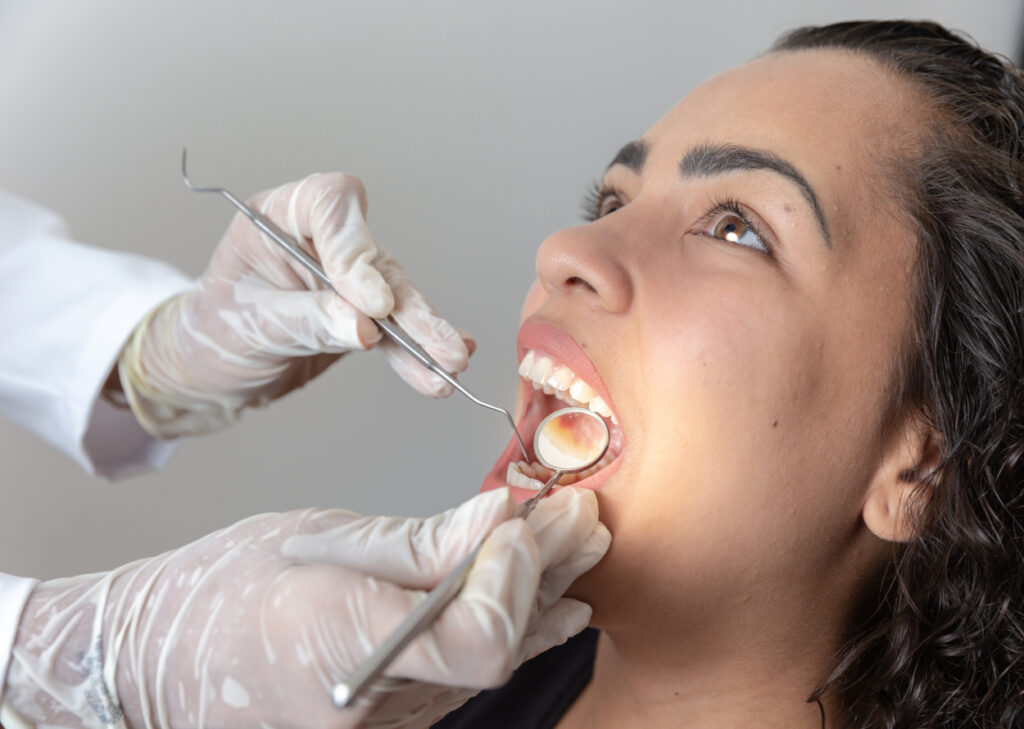
A thorough periodontal evaluation is more detailed than a routine glance at the gums. The clinician looks for inflammation, plaque accumulation, tartar deposits, recession, mobility, and the relationship between the gums and the teeth. One of the key measurements is pocket depth. A small periodontal probe is used to check the space between the tooth and gum in several locations around each tooth. Shallow, healthy measurements are reassuring. Deeper measurements can indicate that disease has progressed below the surface.
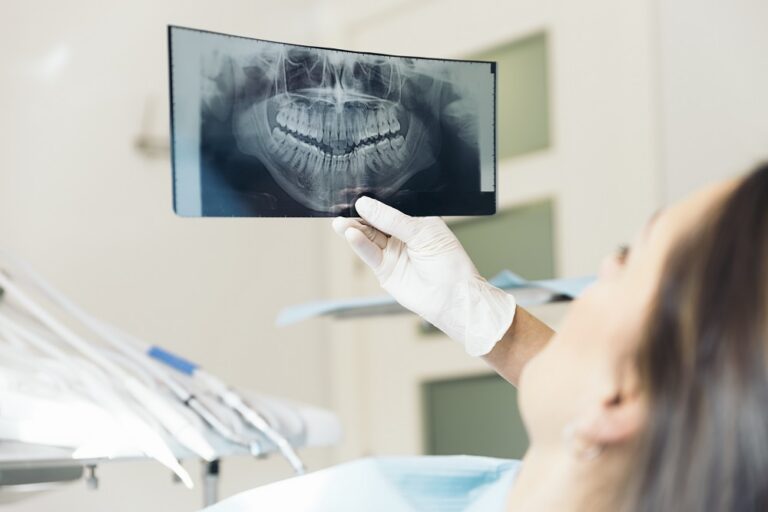
Dental radiographs are often part of the picture because bone loss cannot be judged accurately by appearance alone. Imaging can reveal horizontal or vertical defects, tartar under the gums, failing restorations, and areas where the support around a tooth is compromised.
The conversation that follows is just as important as the measurements. A good treatment plan accounts for habits, medical history, anxiety level, smoking or vaping, previous dental experiences, and the patient’s ability to maintain care at home. Someone with mild generalized disease and excellent motivation may need a very different plan than someone with advanced periodontitis, several loose teeth, and years of interrupted dental care.
How periodontal treatment in Ventura is typically approached
When people search for Periodontal Treatment Ventura, they are often hoping for a single procedure that solves everything. In practice, treatment usually happens in phases. The first phase focuses on infection control and creating a healthier environment. The second phase, when needed, addresses residual pockets, gum defects, or structural damage. Maintenance then keeps the disease from returning.
Early treatment may involve professional cleaning above and just below the gumline if the condition is limited to gingivitis. Once deeper pockets and bone loss are present, scaling and root planing is a common starting point. This is a deep cleaning procedure performed below the gumline to remove plaque, bacteria, and calculus from root surfaces. Smoothing the root helps the tissue heal and reattach more effectively.
Patients are often relieved to learn that scaling and root planing is usually done with local anesthetic, and it is generally very manageable. The mouth may be treated in sections, especially if multiple areas require care. For the first few days afterward, tenderness, mild sensitivity, and slight soreness are common, but most people return quickly to normal activity.
At a follow-up visit, the gums are reassessed. This step matters. Some sites respond beautifully to non-surgical therapy, especially when the patient improves brushing, interdental cleaning, and follow-up care. Other areas may continue to show deep pockets or bleeding, which can signal the need for additional treatment.
When non-surgical care is enough, and when it is not
One of the most important judgments in periodontics is knowing what can be stabilized conservatively and what needs surgical intervention. Not every deep pocket requires surgery, but not every diseased site can be managed indefinitely with repeated cleanings either.
In mild to moderate cases, non-surgical therapy plus excellent maintenance may be enough to keep the condition stable for a long time. This is especially true when the bone pattern is favorable, the teeth are otherwise strong, and the patient follows through consistently at home.
Surgical treatment enters the conversation when there are persistent deep pockets, difficult root anatomy, areas of bone loss that are inaccessible with routine instruments, gum recession causing symptoms or aesthetic concerns, or teeth that need support from surrounding tissues. The purpose of surgery is not to punish the patient with a bigger procedure. It is to create a healthier, more maintainable result.
Procedures that may be recommended
Periodontal treatment is not one-size-fits-all. A patient may need only one type of therapy, or a combination over time. Depending on the diagnosis, recommendations may include:
- scaling and root planing to clean infected root surfaces below the gums
- periodontal maintenance visits at shorter intervals than a standard cleaning schedule
- localized antimicrobial therapy in selected pockets
- flap surgery to access deeper deposits and reduce pockets
- grafting procedures to treat recession or support areas with tissue loss
This is where experience matters. The best plan is not the most aggressive one, it is the one that controls disease while preserving as much healthy tissue as possible.
Gum grafting and the cosmetic side of periodontal care
Many people first notice a periodontal issue because their teeth seem longer or uneven. Gum recession can happen from periodontal disease, but it can also result from overly aggressive brushing, thin tissue, tooth position, or bite forces. When roots become exposed, the effects are both functional and cosmetic. Sensitivity increases, roots are more vulnerable to wear and decay, and the smile may appear older or less balanced.
Gum grafting can help in the right case. The procedure adds or repositions tissue to cover exposed root surfaces or reinforce thin areas. Not every recession defect is fully correctable, and good clinicians discuss those limits honestly. The goal may be full root coverage, partial improvement, reduced sensitivity, or added tissue thickness for long-term protection.
Patients are often pleasantly surprised by how much a well-planned graft can improve comfort and appearance. I have seen people who spent years avoiding cold drinks finally relax again after root coverage reduced their sensitivity. I have also seen patients regain confidence once asymmetrical recession along the front teeth was softened and the smile looked more harmonious.
Saving teeth versus replacing them
This is one of the hardest conversations in periodontal care. If a tooth has advanced bone loss, mobility, a vertical root fracture, or a poor long-term outlook, the question becomes whether treatment is being used to preserve a viable tooth or simply postpone an inevitable loss. There is no value in pretending every tooth can or should be saved.
At the same time, teeth are worth fighting for when the prognosis is reasonable. Natural teeth provide feedback during chewing, preserve bone in a familiar way, and often function beautifully when disease is brought under control. The best decisions come from looking at the whole picture: bone support, root shape, restorability, bite forces, patient commitment, financial considerations, and medical risk factors.
In some cases, saving one compromised tooth with surgery and years of maintenance makes perfect sense. In other cases, extraction followed by site preservation and a replacement plan may be more predictable. There is no dignity lost in choosing the option https://rylanrtym459.yousher.com/top-benefits-of-periodontal-treatment-in-ventura with the strongest long-term outlook.
The role of maintenance after active treatment
This is the part patients underestimate most. Periodontal disease can often be controlled very successfully, but it requires maintenance. Once a patient has had periodontitis, the mouth remains more vulnerable than someone who has never had it. Regular periodontal maintenance visits are not just “extra cleanings.” They are targeted evaluations and debridement designed to monitor pocket changes, bleeding, plaque retention, tartar buildup, and the health of treated sites.
The interval varies. Some patients do well at about three months, others can extend somewhat depending on stability and risk profile. Long gaps tend to be where relapse starts. The pattern is familiar: things feel fine, a visit gets postponed, home care slips a bit, inflammation returns quietly, and by the time discomfort appears, more damage has occurred.
Home care does not have to be elaborate to be effective, but it must be consistent. Most patients benefit from a soft toothbrush, careful brushing along the gumline, and some form of cleaning between the teeth. For one patient that might be floss. For another, small interdental brushes work better because they can actually use them correctly every day. The best routine is the one a patient will genuinely maintain.
What recovery usually feels like
Recovery depends on the procedure. After scaling and root planing, expect mild soreness, some temperature sensitivity, and a sense that the gums feel different as swelling decreases. Soft foods can be more comfortable for a day or two. Careful brushing remains important, even if patients are tempted to avoid the treated area.
After surgical treatment, the experience is more involved. There may be swelling, tenderness, temporary dietary restrictions, and a period where the area looks worse before it looks better. That is normal. Healing gums often change week by week. Patients who know this ahead of time cope better because they are not alarmed by every stage of the process.
A practical point matters here: the first week after surgery is easier when life is not packed with travel, major work presentations, or social events. Thoughtful scheduling reduces stress and improves adherence to post-op instructions.
Choosing the right provider in Ventura
Finding care is not only about credentials on paper, though training certainly matters. It is also about communication, diagnostic clarity, and whether the office treats periodontal disease as a long-term partnership rather than a one-time fix. Patients benefit when the provider explains what is happening in plain language, shows the measurements or imaging, discusses alternatives honestly, and sets realistic expectations.
For anyone comparing options for Periodontal Treatment Ventura, a few practical questions can reveal a lot. Ask how severity is assessed, what non-surgical options are considered before surgery, what maintenance will look like afterward, and how prognosis is determined for teeth that are borderline. If the answers are vague, rushed, or overly sales-driven, keep looking.
Ventura patients also bring specific lifestyle considerations into treatment planning. Some surf regularly, some work outdoors, some commute, some split time between Ventura and other parts of the coast. Scheduling, healing time, and maintenance frequency need to fit real life. A good office understands that success is not only about the procedure itself, but about whether the patient can sustain the plan.
Cost, value, and the hidden price of waiting
The cost of periodontal care varies widely depending on the severity of disease, the number of areas involved, whether surgery or grafting is needed, and the insurance structure if one exists. Exact figures are difficult to discuss responsibly without an exam because treatment can range from a limited non-surgical approach to complex multi-stage care.
What can be said with confidence is that delaying treatment often increases cost. Early inflammation may be addressed with relatively conservative care. Advanced disease can lead to repeated therapy, surgical intervention, tooth loss, tooth replacement, and restorative work that costs far more than earlier treatment would have. The financial piece is real, but so is the biological one. Bone lost to periodontitis does not simply grow back on its own.
Patients sometimes worry about committing to treatment because they feel embarrassed that they “let it get this far.” That feeling is common, and it should not stand in the way of getting help. Periodontal disease is common, often painless in the beginning, and influenced by genetics, health conditions, stress, and access to care. The useful question is not how someone got here. It is what will protect their teeth from this point forward.
Confidence returns in stages
Restoring confidence after gum disease is rarely a single dramatic moment. More often, it happens in layers. The gums stop bleeding. Breath improves. Sensitivity settles down. A patient smiles in a photo without thinking about it. A cleaning appointment no longer comes with dread. Teeth feel stable again. Those changes may sound small, but they add up to something significant.
The emotional side of periodontal care deserves respect. Many people walk into treatment worried they are headed straight for dentures or major surgery. Quite a few leave realizing the situation, while serious, is manageable. Others face tougher decisions but feel relief once there is a clear plan. Uncertainty is often the hardest part.
For patients seeking Periodontal Treatment Ventura, the most important step is simple: get a thorough evaluation before the problem grows. Whether the answer is targeted deep cleaning, maintenance therapy, grafting, or a more advanced surgical approach, timely care creates options. And options matter. They are what allow clinicians to preserve tissue, save teeth when possible, and help patients get back to smiling without hesitation.
A healthy smile has a different kind of confidence. It is not forced. It does not depend on hiding the gums or covering the mouth when laughing. It comes from knowing the foundation is sound. Periodontal treatment, at its best, gives patients that foundation back.
Avra Dental
Address: 1708 S Victoria Ave B, Ventura, CA 93003
Phone number: (805) 941-1001
FAQ About Periodontal Treatment Ventura
Can a dentist get rid of periodontal disease?
A dentist or gum specialist (periodontist) cannot fully cure or reverse advanced periodontal disease (periodontitis), but they can successfully stop its progression and manage the infection.
Is periodontitis very serious?
Yes, periodontitis is a very serious, advanced form of gum disease that destroys the bone and tissues supporting your teeth.
How is stage 2 periodontal disease treated?
Stage 2 periodontal disease (early to moderate periodontitis) is primarily treated with non-surgical deep cleaning procedures like scaling and root planing to remove bacteria and tartar below the gumline.