Dental Bonding for Minimalist Cosmetic Dentistry
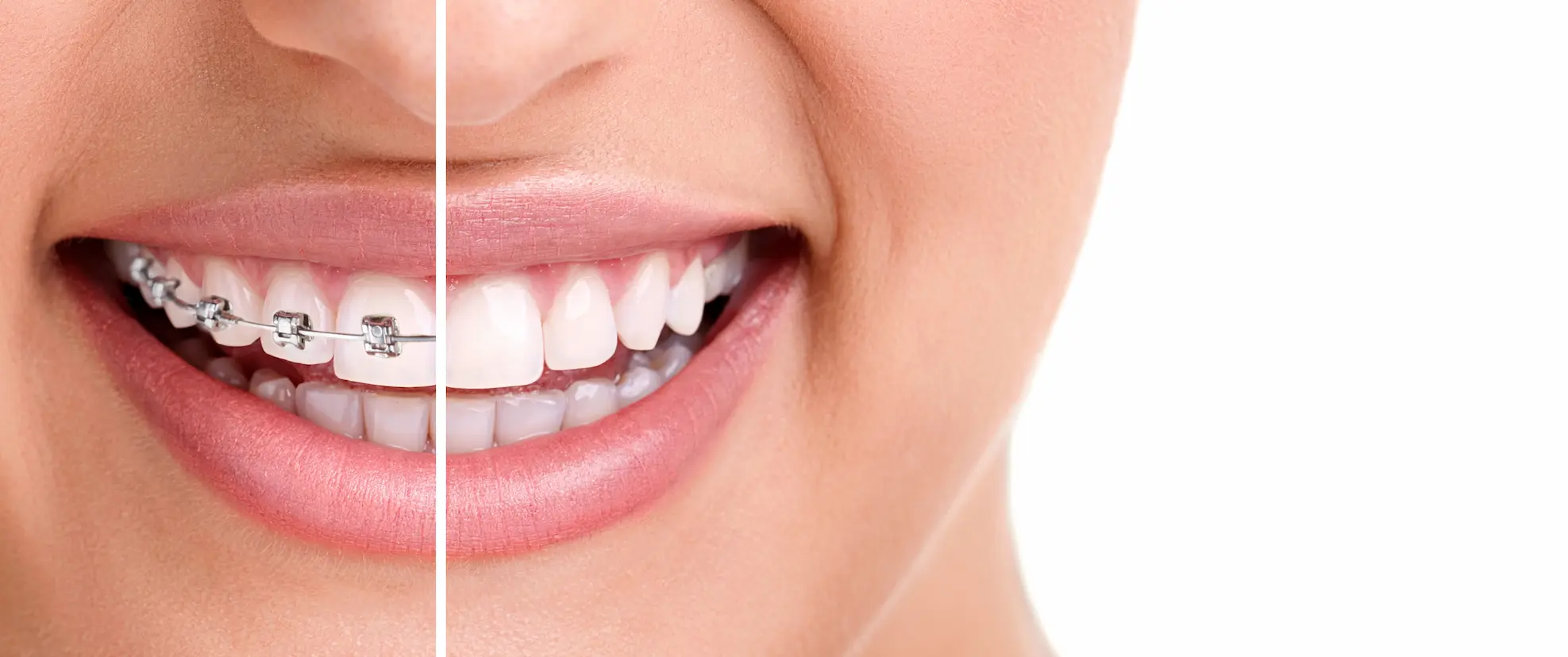
Cosmetic dentistry often gets framed as a choice between doing nothing and committing to a dramatic makeover. Real life is usually more nuanced. Many patients want to look fresher, cleaner, and more polished, but they do not want aggressive drilling, multiple appointments, or a smile that suddenly looks unlike their own. That is where dental bonding earns its place.
Dental Bonding sits comfortably inside a minimalist approach to cosmetic dentistry because it can solve small but highly visible problems with very little intervention. A chipped edge, a narrow gap, a tooth that looks slightly undersized, mild unevenness, a patch of discoloration that whitening will not touch, these are not trivial concerns. They are the kinds of details people see every day in the mirror and notice in photos. Yet they often do not require crowns, veneers, or extensive enamel reduction.
When bonding is planned well, it can improve a smile in a way that feels subtle rather than staged. People may notice that you look rested or that your smile seems more even, without immediately identifying why. For many adults, that is the ideal cosmetic result.
Why minimalism matters in cosmetic dentistry
Minimalist cosmetic dentistry is not about doing the least possible. It is about doing only what is necessary to reach a meaningful improvement while preserving healthy tooth structure. That distinction matters.
Natural enamel is valuable. Once it is removed, it does not grow back. Every experienced cosmetic dentist understands the importance of restraint, especially when treating younger adults or patients whose concerns are localized rather than full-smile in scope. A patient with one chipped front tooth does not automatically need six veneers. A person with slight asymmetry in the lateral incisors may benefit more from precise resin additions than from a more invasive restoration.
This philosophy also respects how people actually live. Not everyone wants the cost, maintenance, or commitment that comes with porcelain. Some patients are testing the waters of cosmetic dentistry for the first time. Others have healthy teeth and feel uneasy about altering them too aggressively for an aesthetic gain. Bonding gives them a middle path.
The best minimalist work is often hard to spot because it does not announce itself. It refines proportion, restores continuity, and softens distractions. It keeps the original smile identity intact.
What dental bonding really is
Dental Bonding uses a tooth-colored composite resin to reshape or repair a tooth directly in the mouth. The material is similar to what dentists use for white fillings, but cosmetic bonding demands a more artistic approach. Shade, translucency, texture, and edge shape all matter. On front teeth, even a fraction of a millimeter can change the way a smile reads.
The process is generally straightforward. The tooth surface is prepared with a gentle conditioning step, the resin is layered and sculpted, then hardened with a curing light. After that, the restoration is refined and polished until it blends with the surrounding enamel.
That description sounds simple, but execution varies enormously. There is a world of difference between bonding that merely fills space and bonding that truly disappears into the smile. The latter requires a steady eye for symmetry, knowledge of tooth anatomy, and enough discipline not to overbuild.
One of the practical advantages of bonding is that it is usually additive. Instead of cutting away healthy tooth structure to make room for a restoration, the dentist often adds material where needed. In the right case, that is a major advantage.
The kinds of smile concerns bonding handles exceptionally well
Bonding is most effective when the goal is refinement rather than transformation. It works best for small to moderate changes where enamel remains mostly healthy and bite forces are manageable.
A few examples come up repeatedly in practice. A patient chips a front tooth on a glass bottle in college and lives with the uneven edge for years. Someone else has a naturally small lateral incisor that makes one side of the smile look slightly off. Another patient completed orthodontic treatment but still feels the smile lacks polish because the incisal edges are irregular or there are tiny residual spaces. These are classic bonding cases.
Dental Bonding is especially useful for closing minor gaps. Very small spaces between front teeth can often be closed in one visit without orthodontics, provided the tooth proportions remain natural afterward. It can also camouflage white spot lesions or localized discolorations, particularly when whitening alone cannot create even color. For worn edges, bonding can restore youthful length and soften the flattened appearance that comes with grinding or age.
The key phrase is case selection. Bonding can do a lot, but it should not be used to force an answer where another treatment is more stable, more functional, or more beautiful in the long term.
Where bonding shines over veneers
Porcelain veneers have an established place in cosmetic dentistry. They can be elegant, durable, and transformative. But they are not automatically the best first choice for every cosmetic concern, and minimalist dentistry pushes back against that one-size-fits-all mindset.
With bonding, treatment can often be completed in a single appointment. There is usually little to no anesthesia, little to no drilling, and fewer irreversible changes. If a patient is uncertain about altering shape or length, bonding allows for a more conservative trial of those changes. It also tends to cost less upfront than porcelain.
There is a psychological benefit as well. Patients who want improvement but fear overcommitting often feel more comfortable with bonding. They like knowing that the treatment was designed around preservation. They also appreciate that the dentist can make micro-adjustments chairside. If the edge needs to be softened, if the line angle is too sharp, if the contact point needs a minor shift, these refinements can often happen immediately.
That said, good judgment requires candor. Bonding is not porcelain. It can stain over time, it can chip, and its surface luster usually does not remain as glass-like for as long as a well-made ceramic veneer. For some patients, those trade-offs are acceptable. For others, especially when they want more dramatic color change or have heavier wear patterns, porcelain may be the more stable route.
The artistry is not optional
Direct bonding is sometimes described as a simple cosmetic fix. That can be misleading. While the materials and appointment flow may be simpler than indirect restorations, the aesthetic challenge is often greater because everything happens live, directly on the tooth, with no laboratory to hide weak design decisions.
Front teeth are unforgiving. If a bonded edge is too opaque, it looks flat. If it is too translucent, it can look gray. If the contour is too bulky near the gumline, the tooth looks inflated. If the line angles are misplaced, the tooth can appear wider or narrower than intended. Even high-quality material can look mediocre in untrained hands.
Experienced dentists who do a lot of cosmetic bonding tend to think in layers. They consider dentin color, enamel translucency, reflected light, and texture. They also think about the surrounding teeth. Matching one front tooth often means paying attention to tiny asymmetries that make natural teeth believable. Perfect symmetry is not always the goal. Natural harmony is.
I have seen bonding fail aesthetically not because the material was bad, but because the treatment plan was too ambitious for the medium. The more a restoration tries to impersonate a full veneer while still being done as a direct composite addition, the higher the risk that it starts to look overbuilt or disconnected. Restraint usually produces the strongest result.
Who tends to be an ideal candidate
The best candidates for bonding usually share a few characteristics. Their goals are specific, their expectations are realistic, and their underlying tooth health is sound. They may have small chips, minor spacing, shape irregularities, or localized wear. Often they are the kind of patients who say, “I like my smile, I just want to improve this one thing.”
Bite matters more than many people realize. A patient with heavy clenching, edge-to-edge bite, or significant grinding can still receive bonding, but the design must be cautious and the long-term maintenance conversation must be very honest. Bonding placed on vulnerable edges in a high-stress bite is more likely to chip.
Oral habits matter too. Nail biting, chewing pens, tearing open packages, and using teeth as tools shorten the life of bonded restorations. So does poor home care. Composite resin does not decay, but the tooth around it can, and rough or neglected surfaces stain faster.
People who expect a dramatic bleach-white transformation across all visible teeth are often better served by a broader cosmetic plan. Bonding can improve shape beautifully, but if the desired color shift is major and the surrounding teeth are dark, one small bonded fix may only draw attention to the mismatch.
What the appointment is actually like
One reason Dental Bonding appeals to minimalist patients is that the treatment experience is usually gentle. In many cases, no anesthetic is needed, especially if the work is purely additive and stays away from sensitive areas. The dentist may roughen the enamel slightly to improve adhesion, but this is usually far less invasive than preparing a crown or veneer.
The most time-sensitive part is often not placing the material, but planning the shape. Good dentists pause to assess the smile from different angles, both at rest and in motion. They may ask the patient to sit up, speak, smile broadly, and view the result in a hand mirror before final polishing. That dialogue matters. Tiny contour changes can affect speech feel, lip support, and self-perception.
A single-tooth bonding case can sometimes take less than an hour. Multi-tooth aesthetic refinement may take longer, especially if the goal is seamless blending across the front teeth. The final polish is not cosmetic fluff. A well-polished composite attracts less plaque, reflects light better, and usually holds its appearance longer.
The longevity question patients always ask
The honest answer is that bonding can last a long time, but not indefinitely, and the range is wide. Small repairs in low-stress areas may look good for years. Edge bonding on front teeth in someone who clenches heavily may need touch-ups sooner. Material quality, dentist skill, bite, habits, and maintenance all influence lifespan.
In practice, many patients do well for anywhere from three to ten years before needing notable repair, refinement, or replacement, but that range is only a broad guide. Tiny chips can often be repaired conservatively. Surface staining can often be polished away if addressed early. The fact that bonding is repairable is one of its strengths. A porcelain restoration often involves a more all-or-nothing replacement decision if damaged.
Patients sometimes hear “reversible” and interpret that as “temporary” or “disposable.” That is not quite right. Well-done bonding is a legitimate restoration. It simply requires realistic expectations and occasional upkeep. Minimalist does not mean maintenance-free.
The trade-offs that deserve a frank conversation
Any responsible cosmetic recommendation has to include downside discussion. Bonding is conservative, but it is not perfect. Its strengths and limitations are closely linked.
Here are the trade-offs worth understanding before treatment:
- It is more conservative than porcelain, but usually less stain-resistant over time.
- It can be repaired easily, but it is also more prone to small chips and wear.
- It is often less expensive initially, but touch-ups may be needed sooner.
- It preserves enamel well in many cases, but the final result depends heavily on operator artistry.
- It excels at subtle changes, but it is not the best tool for every dramatic makeover.
For the right patient, these are reasonable compromises. For the wrong patient, they become recurring frustrations. The difference lies in planning.
Minimalist does not mean casual
A common mistake is assuming that because bonding is conservative, the decision can be casual. The opposite is true. Small aesthetic changes on front teeth deserve thoughtful analysis because subtle dentistry is often where errors are most visible.
The dentist should evaluate facial proportions, lip dynamics, smile line, tooth display at rest, and occlusion. If the patient is asking to close a gap, the width of both teeth and the overall smile balance need consideration. Simply adding resin until the space disappears can create two front teeth that look square and oversized. If one incisor edge is chipped, the opposing tooth should also be evaluated, because the bite may have caused the original fracture and may damage the repair if ignored.
Whitening often enters the sequence discussion. If a patient wants both brighter teeth and bonding, whitening usually https://messiahtmpg920.trexgame.net/how-dental-bonding-can-restore-a-broken-tooth happens first so the resin can be matched to the lighter shade. Composite does not bleach the way natural enamel does. Planning the order correctly avoids obvious mismatches.
Sometimes the most skilled recommendation is to postpone bonding entirely. If the issue is really crowding, orthodontics may create a better foundation. If the patient grinds aggressively at night, a protective splint may need to come first. Minimalism is not just about smaller restorations. It is about choosing the least invasive route that still respects function and longevity.
When bonding should not be the default answer
There are situations where bonding is possible but not ideal. Large structural defects, extensive decay, severe discoloration, or major bite instability often point elsewhere. Teeth that have very little enamel left for bonding, or teeth under intense loading, may benefit from a more protective restoration.
A patient with significant tetracycline staining or very dark, intrinsically discolored teeth may be disappointed if trying to achieve a dramatic bright result with composite additions alone. Likewise, someone seeking a broad smile redesign with major changes in color, width, and alignment may be better served by staged orthodontic and restorative treatment rather than a quick direct composite solution.
This does not diminish bonding. It simply places it where it performs best, as a precise and conservative instrument, not a universal cure.
Caring for bonded teeth so they stay attractive
Aftercare is refreshingly simple, but details matter. Bonded teeth should be treated like natural teeth with a little extra respect. A soft toothbrush, non-abrasive toothpaste, and consistent flossing help preserve polish and gum health. If a patient drinks coffee, red wine, or tea daily, regular hygiene and occasional polishing become more important.
The first forty-eight hours after bonding are not usually dramatic, but I still advise patients to be mindful with intensely staining foods if the surfaces are freshly finished. More important is long-term behavior. Biting directly into hard crusts, ice, pens, or fingernails is asking for trouble, especially with incisal edge bonding.
A simple maintenance routine goes a long way:
- Keep regular hygiene visits so minor staining or roughness can be polished early.
- Wear a night guard if you clench or grind.
- Avoid using your front teeth to open or hold objects.
- Report any rough edge or tiny chip early, before it worsens.
Many repairs are small when caught early and larger when ignored.
The subtle confidence factor
One of the most striking things about good bonding is how often it changes behavior rather than appearance alone. Patients smile without covering their mouth. They stop tilting their head to hide a chipped side. They feel less distracted in photographs. These are not dramatic television-reveal moments. They are quiet shifts in self-consciousness.
I remember a patient who had a tiny but noticeable diagonal chip on a central incisor from a childhood fall. She had lived with it for so long that she almost apologized for bringing it up, as if it were too minor to matter. After a modest bonding repair, she looked in the mirror and said the tooth finally felt “finished.” That word stayed with me because it captured what minimalist cosmetic dentistry often does at its best. It completes something that has been visually unresolved.
The same is true for closing a slender gap or balancing a slightly undersized tooth. The improvement is often modest on paper and significant in lived experience.
Choosing the right dentist for this kind of work
Patients sometimes assume any dentist who places white fillings can produce beautiful aesthetic bonding. Some can. Some cannot. Direct composite on visible front teeth is both technical and artistic, and results vary.
A good consultation should feel specific, not generic. The dentist should explain why bonding is appropriate, where its limits are, and how the bite influences durability. Before-and-after photos of similar conservative cases are useful, especially when the work looks natural rather than glossy and overdone. If every result shown is ultra-white and heavily reshaped, that may not align with a minimalist goal.
Communication style matters too. Dentists who do refined cosmetic work usually ask what bothers the patient, what level of change feels comfortable, and what compromises the patient is willing to accept. Some people care most about preserving tooth structure. Others care most about longevity. Others want something easily repairable. The treatment should reflect that hierarchy.
A conservative tool with real cosmetic power
Dental Bonding occupies a valuable space in modern cosmetic dentistry because it respects a truth that gets lost in the marketing of smile makeovers: not every aesthetic concern requires a major restoration. Small discrepancies can carry surprising emotional weight, and they often respond beautifully to careful, conservative treatment.
For patients who want enhancement without erasing what makes their smile their own, bonding can be the right answer. It preserves more, commits less, and still delivers visible change when done with skill. Its success depends on restraint, planning, and realistic expectations, but those are not drawbacks. They are exactly what make it such a strong choice for minimalist cosmetic dentistry.
The best bonding does not shout. It restores continuity, catches light naturally, and lets a person look like themselves, only less distracted by the details that used to bother them. In cosmetic dentistry, that kind of subtlety is not a compromise. It is often the highest level of judgment.
Toothworks of Bakersfield, Dentist and Orthodontist
Address: 1030 H St #1, Bakersfield, CA 93304
Phone number: +16613239421
FAQ About Dental Bonding
How long does dental bonding last?
Dental bonding typically lasts between 3 and 10 years (averaging about 5 to 8 years) before it needs a touch-up or replacement. Its lifespan depends heavily on your daily habits, where the bonding is placed in your mouth, and how well you care for your teeth.
How expensive is bonding a tooth?
Dental bonding typically costs between $100 and $600 per tooth, with a national average of about $431 per tooth.
What are the downsides of dental bonding?
Dental bonding has several drawbacks, including lower durability, a shorter lifespan, and a tendency to stain compared to alternatives like porcelain veneers.